
What is 316LVM stainless steel? How does it differ from 316L?
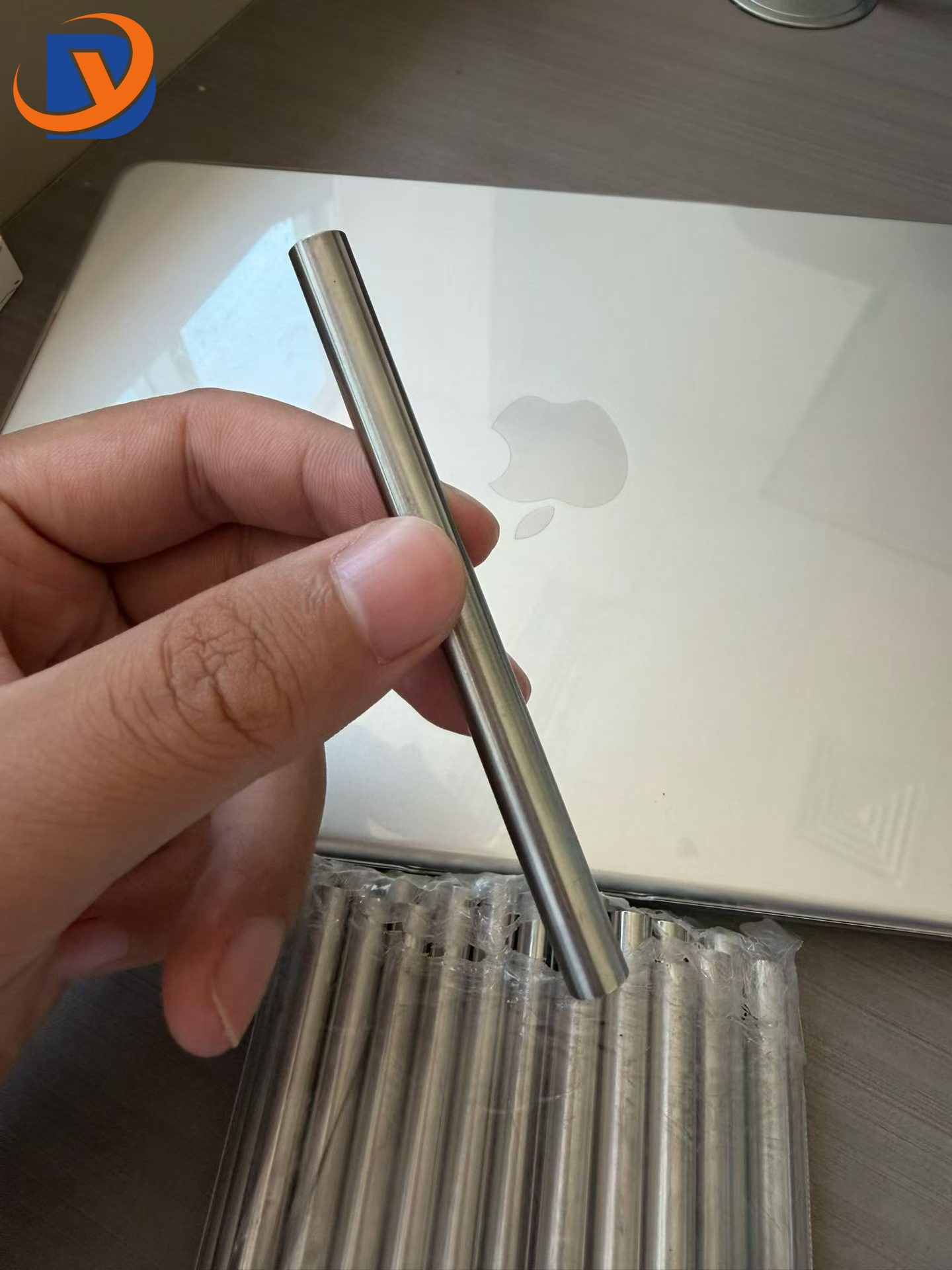
What is 316LVM stainless steel?
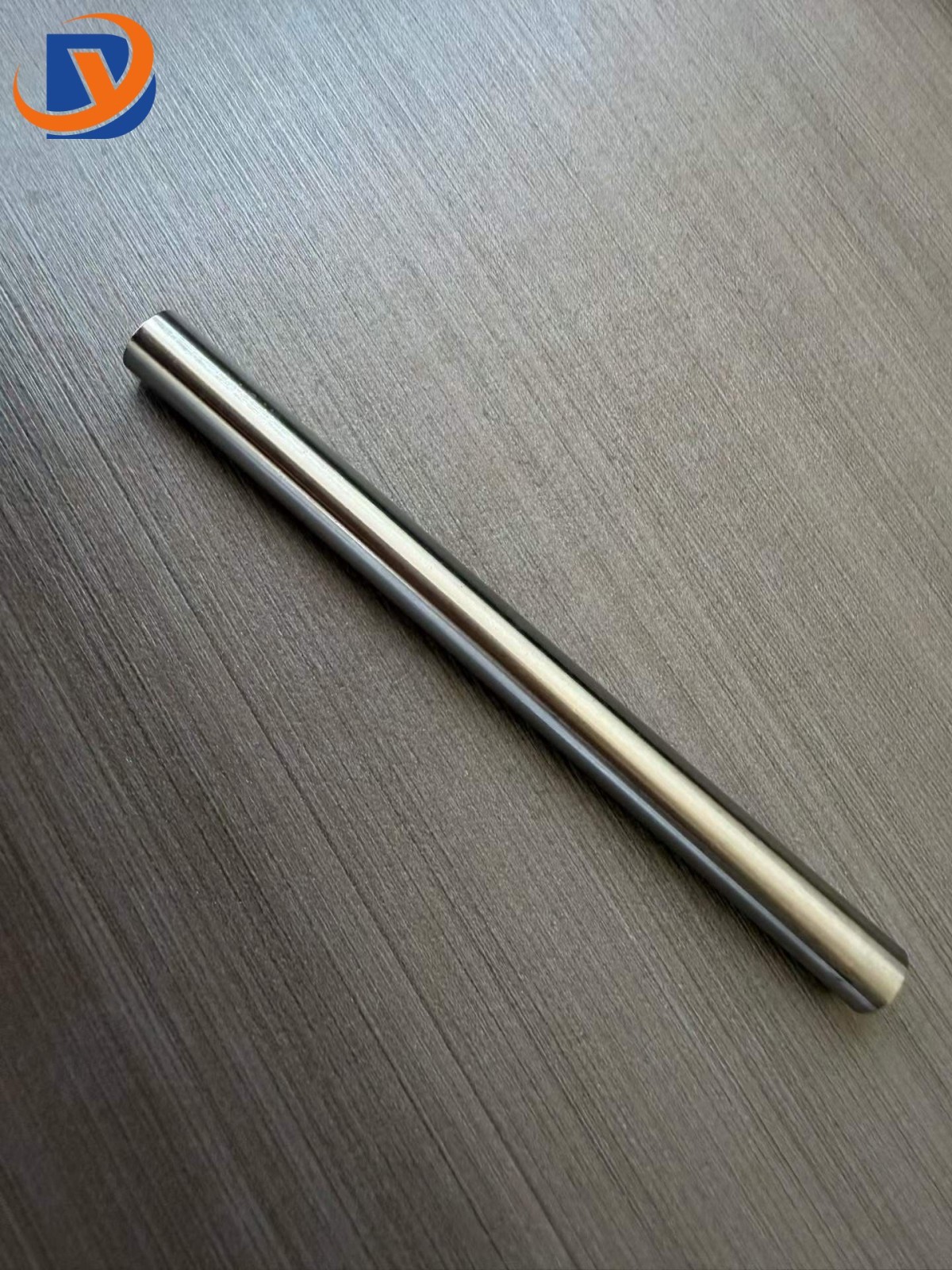
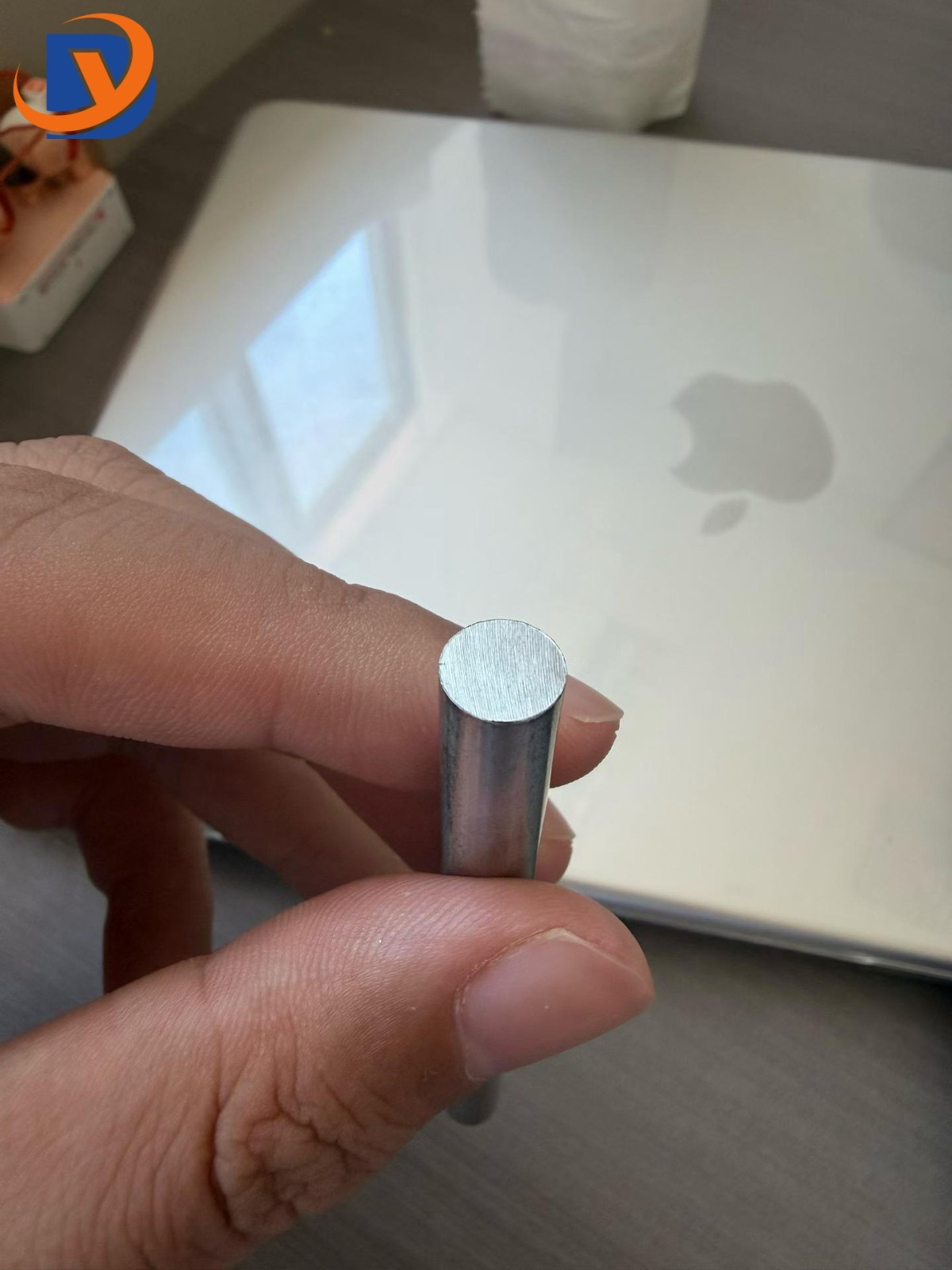
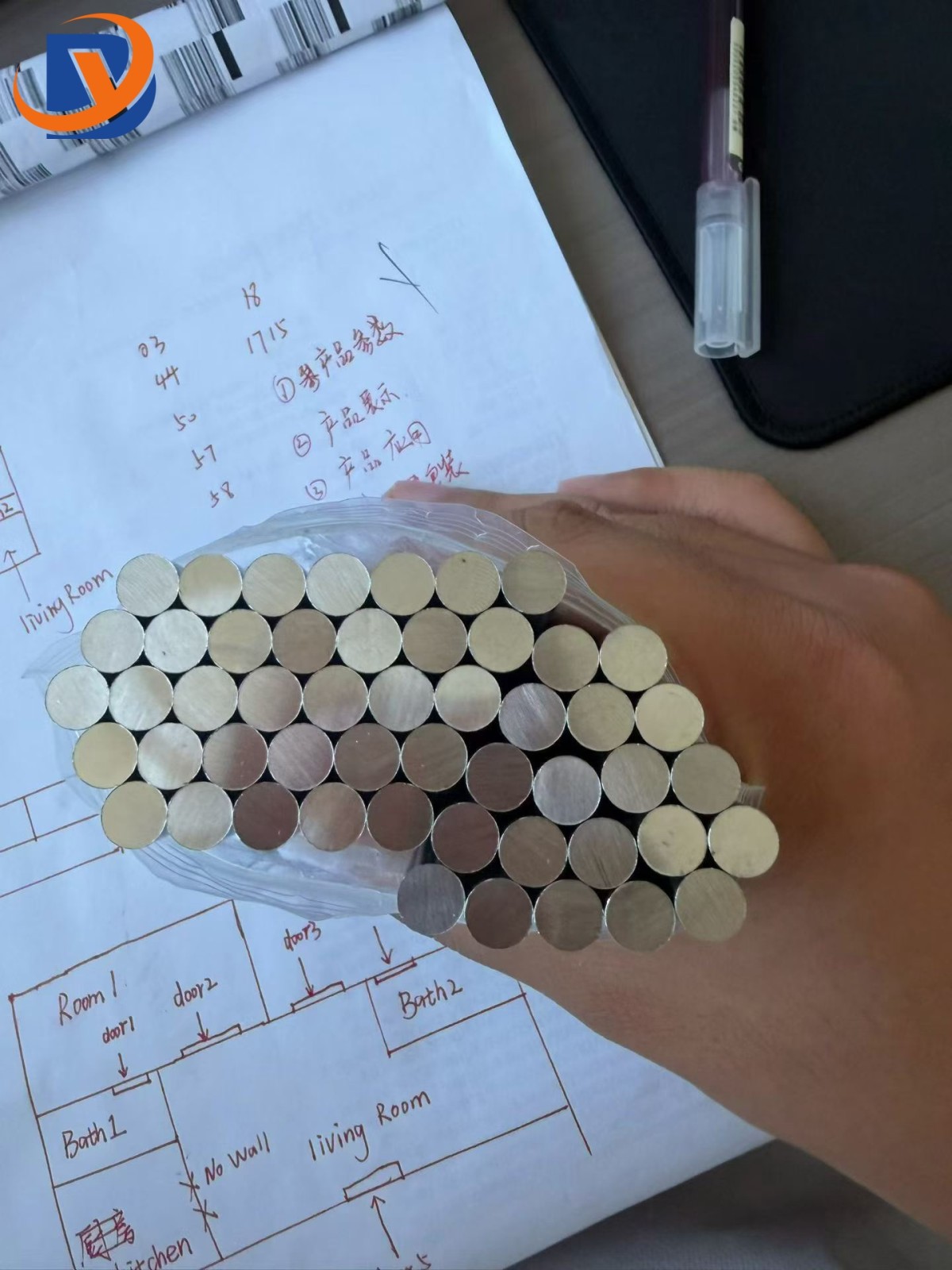
316LVM stainless steel is a highly clean, low-carbon grade of 316 stainless steel designed specifically for a wide range of critical biomedical applications; it is also designated as UNS S31673. Valued for its high purity, excellent corrosion resistance, and reliable mechanical properties, it is frequently used as an implant-grade stainless steel. What distinguishes 316LVM from other stainless steels is its production method: it is manufactured using advanced vacuum melting (AVM) technology. Compared to conventional methods, the AVM process yields a cleaner product with lower carbon content, thereby reducing the risk of carbide precipitation. Furthermore, the AVM process results in fewer inclusions and impurities than traditional manufacturing techniques. Consequently, 316LVM stainless steel is an ideal choice for long-term implant applications that demand the highest standards of performance and safety.
What is the difference between 316LVM and 316L stainless steel?
The chemical compositions of these two products are almost identical. The primary differences between 316L and 316LVM stainless steels lie in their purity and production processes:
1.316L stainless steel is produced using conventional melting techniques, which may result in the presence of various contaminants or inclusions.
2.316LVM stainless steel is produced using a vacuum melting process, which fundamentally eliminates many of the contaminants and inclusions found in 316L stainless steel.
Therefore, 316LVM stainless steel offers superior fatigue resistance and long-term reliability, making it better suited for medical implants. In summary, while 316L stainless steel is suitable for most general applications, 316LVM stainless steel was developed to provide superior medical-grade performance.
Why 316LVM Remains the Gold Standard for Medical Implants?
Despite significant advancements in the field of biomaterials in recent years, 316LVM stainless steel remains the gold standard for implant materials. This is due to its combination of the following advantages:
1.Exceptional corrosion resistance
2.Superior cleanliness
3.Proven biocompatibility
4.Compliance with the ASTM F138 standard
This makes 316LVM stainless steel the material of choice for almost every sector of the medical field.
For manufacturers and users of 316LVM stainless steel, the material offers a reliable balance of performance, availability, and cost compared to alternatives such as titanium alloys.
Yongding is one of the companies supplying high-quality 316LVM stainless steel products that meet the world's most stringent standards. As an expert in the R&D of precision-engineered, medical-grade stainless steel, yongding is dedicated to providing critical medical products that demand exceptional material integrity and reliability.
Related Posts
- ▶ What is 316LVM stainless steel? How does it differ from 316L?
- ▶ Is Stainless Steel 100% Rust Proof? Causes
- ▶ The necessary conditions and classification of 310S stainless steel pipes
- ▶ Yongding Metals Successfully Expands into the Caribbean Market, Jamaican Client Orders 6 Tons of High-Quality Aluminum Tubes and Gives High Praise
- ▶ Successful Shipment of 10 Tons Stainless Steel Sheets to Iraq with Third-Party Inspection Approval
- ▶ Innovative aluminum structures set sail for the Philippines to support efficient irrigation projects in pineapple fields
Send Us A Message
Apply for Best Quotation